The Dole Horse
Ancient. Rare. Irreplaceable.
The Norwegian Dole Horse has carried the weight of Norse civilization for over a thousand years. Today, it carries the weight of our responsibility to preserve it.
Origins
Born in the Gudbrandsdalen Valley
The Dole Horse — known in Norway as Dølahest — takes its name from the Gudbrandsdalen valley, a long, narrow river valley stretching north from Lillehammer into the heart of Norway. This is where the breed was forged: in the cold, the mountains, and the demanding agricultural life of Norse farmers and loggers who needed a horse that could do everything.
Archaeological and historical evidence suggests the Dole Horse's ancestors were present in Norway during the Viking Age, making it one of the oldest continuously bred horse populations in Northern Europe. The breed's compact, powerful build — deep chest, short cannon bones, dense bone structure — reflects centuries of natural and human selection for survival and utility in one of the world's most demanding landscapes.
Dual Purpose
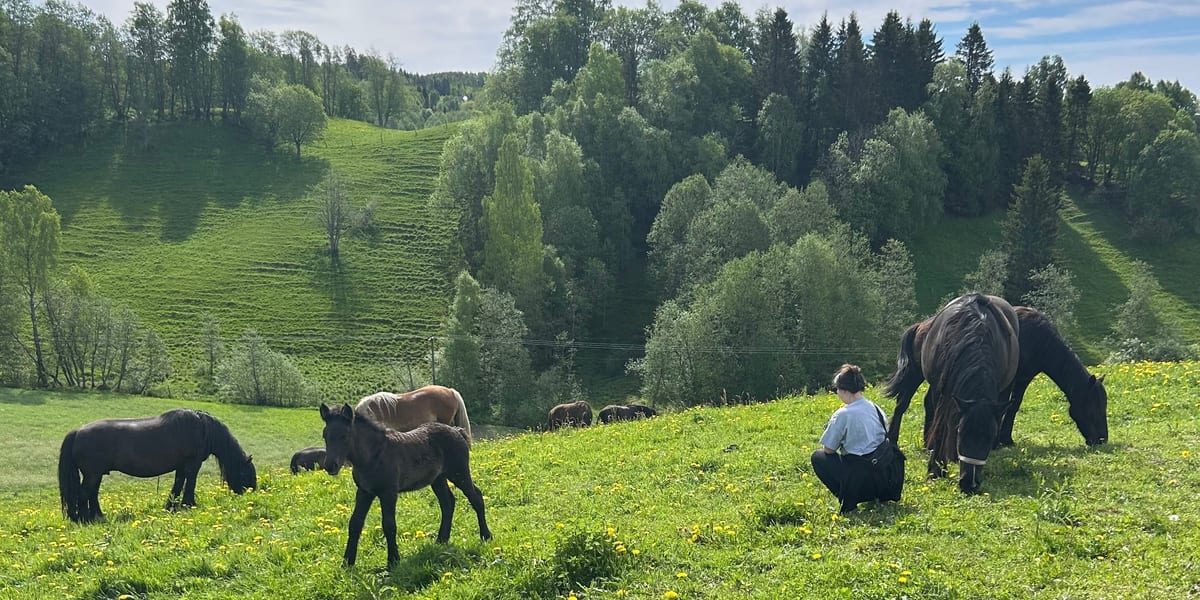
The Horse That Did Everything
Draft & Farm Work
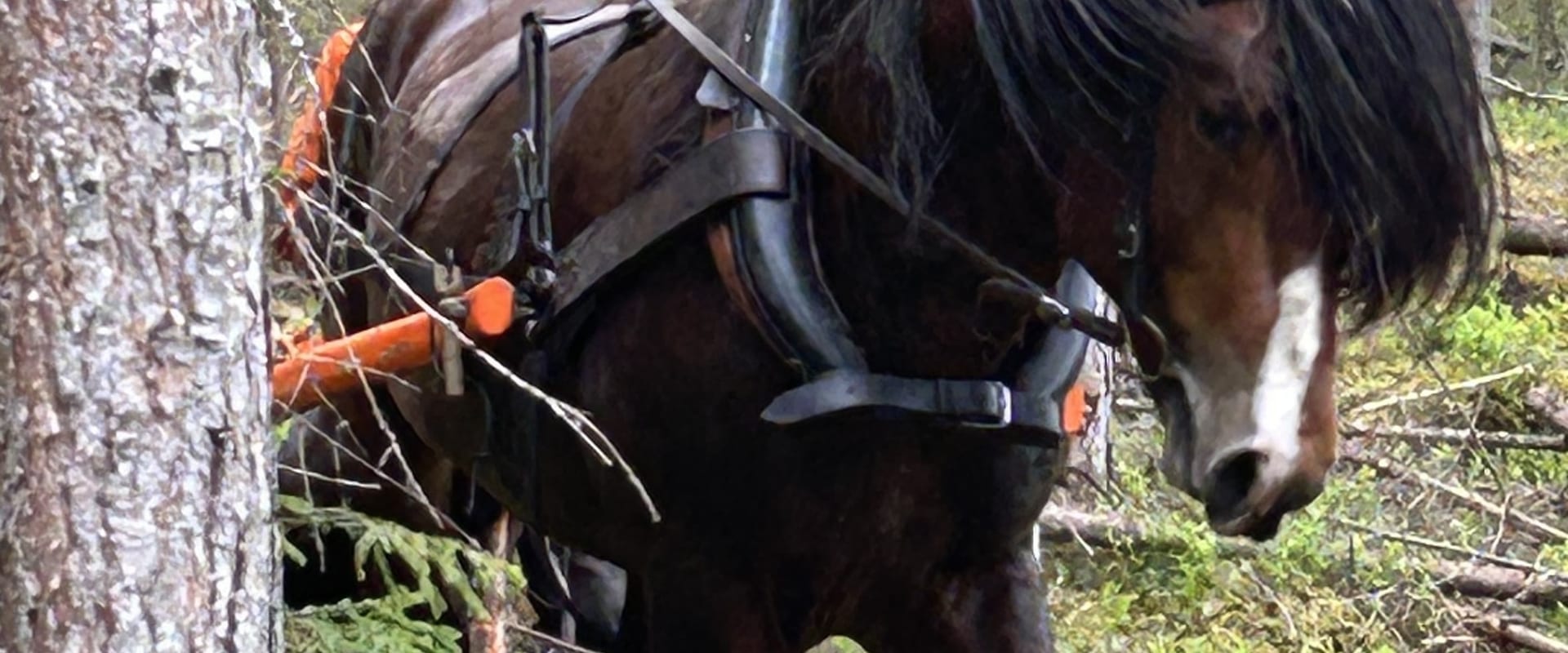
For centuries, the Dole Horse was the engine of Norwegian agriculture. It plowed fields, hauled timber through mountain passes, and pulled sledges through deep winter snow. Its extraordinary pulling power relative to its size made it indispensable in terrain where larger draft breeds could not operate.
Mountain Transport
The Gudbrandsdalen valley was a major trade and travel corridor in medieval Norway. Dole Horses carried goods and people along these routes for generations, developing the sure-footedness and endurance that remain hallmarks of the breed today.
Trotting Sport
In the 19th and 20th centuries, a lighter trotting variant of the Dole — the Dølahest Trotter — emerged through selective breeding. Norwegian trotting racing became a national sport, and the Dole Trotter became one of the fastest cold-blooded trotters in the world, a testament to the breed's remarkable athleticism.
Breed Characteristics
What Makes a Dole Horse
The Dole Horse is a medium-sized cold-blooded light draft breed with a distinctive combination of power, refinement, and temperament that sets it apart from other Northern European draft breeds.
Build
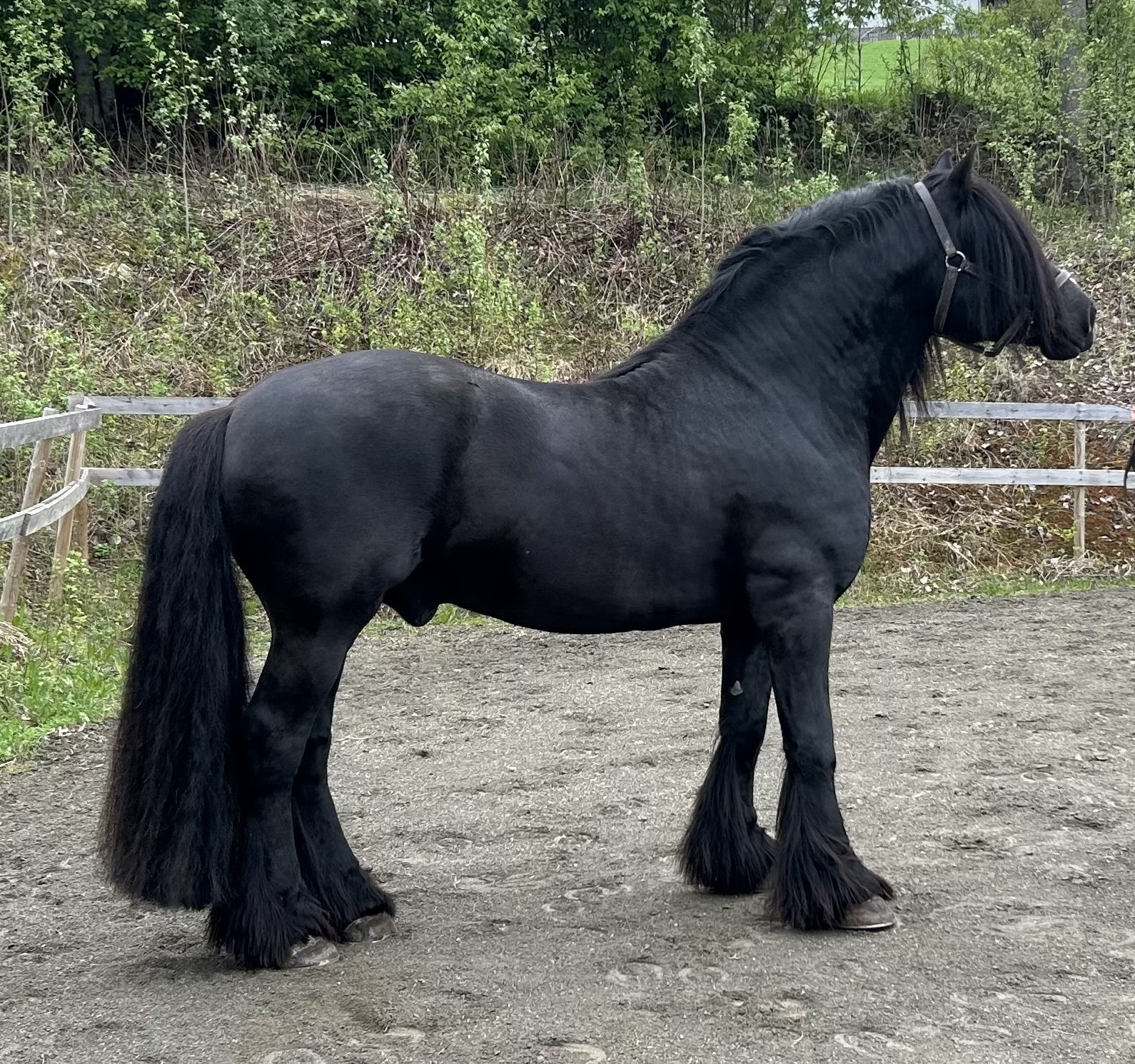
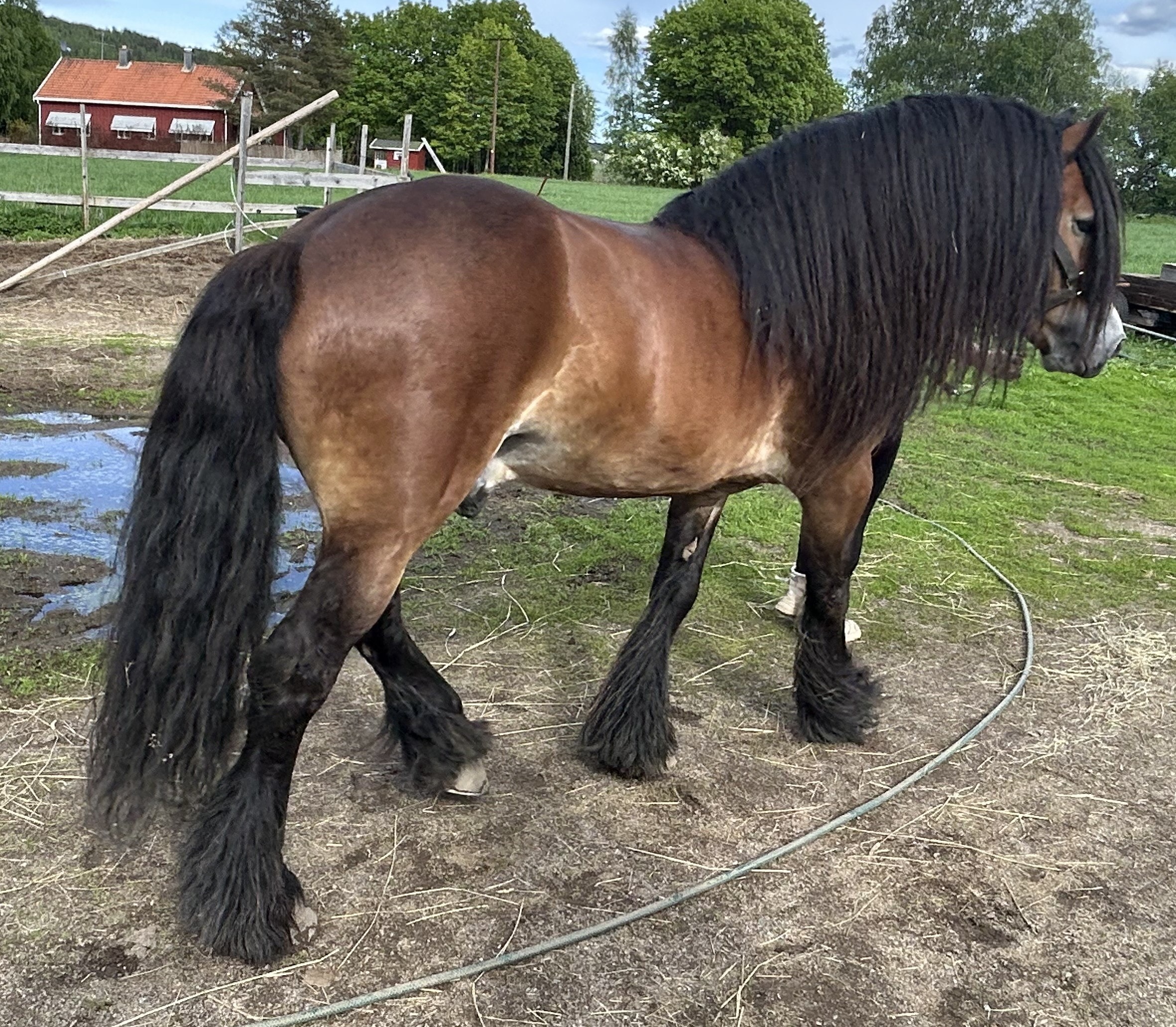
Compact and muscular, typically 14.2–15.2 hands. Deep chest, short back, powerful hindquarters, and exceptionally dense bone structure.
Head
Broad forehead, large kind eyes, and a slightly convex profile — a distinctive feature that distinguishes the Dole from other draft breeds.
Movement
Active, ground-covering trot with natural impulsion. The breed's movement is one of its most celebrated qualities — energetic yet controlled.
Temperament
Calm, willing, and intelligent. The Dole Horse is known for its cooperative nature and strong work ethic — qualities bred over centuries of close partnership with humans.
Color
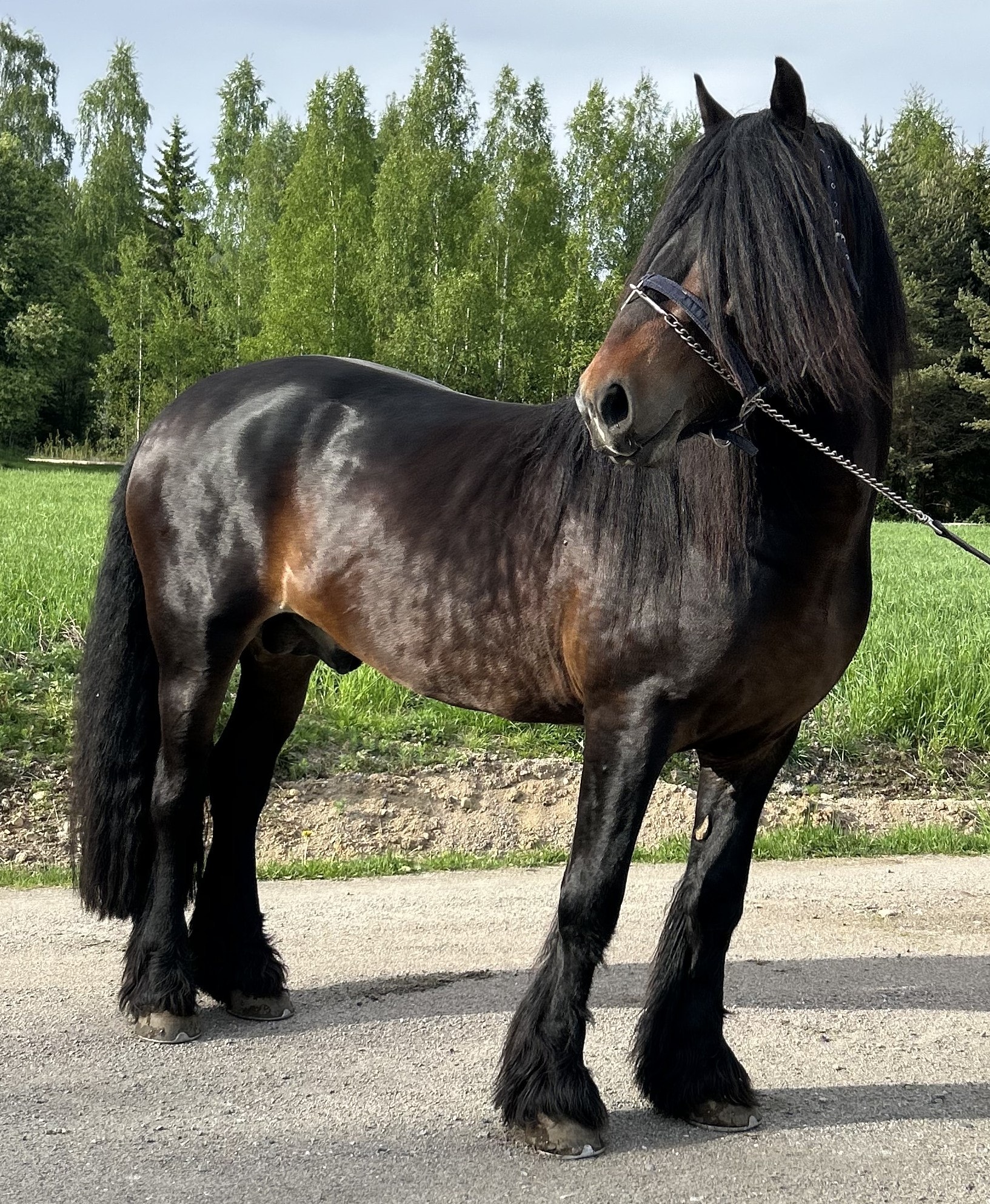
Most commonly bay, brown, and black. Grey, chestnut, buckskin, palomino, and roan also occur. The breed standard accepts all solid colors.
Longevity
Dole Horses are exceptionally hardy and long-lived, with many individuals remaining productive well into their twenties — a reflection of the breed's robust constitution.
< 5,000
Estimated worldwide population
Norway
Primary range
< 50
North American registered individuals
Conservation Status
A Breed at a Crossroads
Despite its ancient heritage and remarkable qualities, the Dole Horse is today classified as a rare breed. Mechanization of Norwegian agriculture in the 20th century dramatically reduced the working horse population across Scandinavia, and the Dole was no exception. At its lowest point, the breed's numbers fell to critically endangered levels.
Today, thanks to the efforts of Norwegian breed organizations — particularly the Norsk Hestesenter (Norwegian Horse Centre) and the Dølahest og Dølahest Trotter Avlsforening — the population has stabilized, but remains small. Worldwide, there are estimated to be fewer than a few thousand registered Dole Horses, with the vast majority in Norway.
Outside of Norway, the breed is extraordinarily rare. North America has only a handful of registered individuals, making programs like Seidbris not merely enthusiast projects but genuine conservation efforts with real genetic significance for the breed's long-term survival.
Registry & Standards
Guardians of the Standard
The Dole Horse is governed by the Norwegian Dole Horse studbook, maintained by the Norsk Hestesenter. All breeding animals must be inspected and approved by breed judges before their offspring can be registered. Seidbris works in close cooperation with the Norwegian registry to ensure that all horses in our program meet breed standards and that our North American foals are eligible for full registration.
Norsk Hestesenter
The Norwegian Horse Centre — the national authority for Norwegian horse breeds
Dølahest og Dølahest Trotter Avlsforening
The Norwegian Dole Horse and Dole Trotter Breeding Association
Want to see the breed in person?
The best way to understand the Dole Horse is to stand next to one. We welcome visits from serious breeders and enthusiasts who want to experience the breed firsthand.